Farming Equipment and Technology Fund 2025: Opening Soon!

Toby Eve
May, 13 2025Defra has now confirmed that the Farming Equipment and Technology Fund (FETF) 2025, will open for application on 29 May 2025 and will close at midday on 10 July 2025.
In preparation for the application window, Defra has released further detail on items that will be funded this year.
Similar to last year’s offer the funding will be split into three separate themes:
- Improving Productivity
- Managing Slurry
- Improving Animal Health and Welfare
Whilst only one application can be submitted for each theme you can apply for all three of the three separate themes. Each application must be for between £1,000 and £25,000 therefore a total of £75,000 of grant funding could potentially be secured.
Productivity Items
Applications for productivity items are scored on productivity benefit, environmental benefit and level of adoption by the industry. Some key items under the productivity theme include:
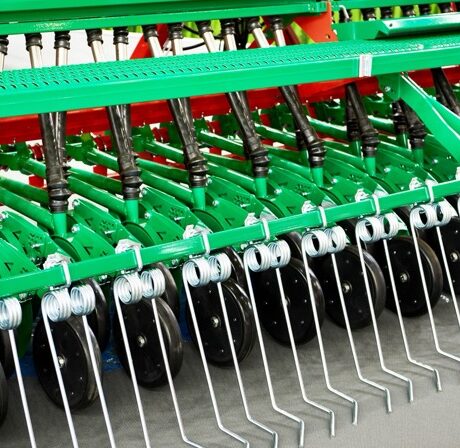
- Direct drills
- Inter row companion drills
- Liquid fertiliser applicator for drills
- Forestry items
- GPS light bars
- Retro fitted assisted steer systems (for older tractors)
- Inter row hoes
For the full list of productivity items see: Productivity items and specifications – Farming Equipment and Technology Fund (FETF) 2025 – GOV.UK
Slurry Items
Slurry items are scored based on improving slurry management, environmental benefit and level of adoption by the industry. Specific items include:
- Slurry separators
- Nurse tanks
- Flow rate monitoring equipment
- Nutrient analysis equipment
For the full list of slurry items see: Slurry items and specifications – Farming Equipment and Technology Fund (FETF) 2025 – GOV.UK
Animal Health and Welfare Items
The largest of the three themes is the Animal Health and Welfare theme and will be scored on their contribution towards the Animal Health and Welfare Pathway priorities. Evidencing that the application has been discussed with your vet could increase the application score by 20%. Specific items include:
- Livestock handling systems (mobile & fixed)
- EID Readers
- Cattle crush
- Cluster flushes
- Automated footbaths
- Automated calf feeders.
For the full list of animal health and welfare items see: Animal Health and Welfare items and specifications – Farming Equipment and Technology Fund (FETF) 2025 – GOV.UK
To discuss how the FETF could work for your business, please get in touch with one of our experts. We’ll be happy to provide advice and guide you through the application process.