Alternative Crops: Diversifying Rotations for Profitability and Resilience

Dan Matthews
Jun, 18 2026As growers continue to review rotations and look for alternatives to traditional break crops, interest in specialist and alternative crops is growing. Challenges associated with oilseed rape establishment, particularly the ongoing impact of cabbage stem flea beetle, have prompted many businesses to reassess their rotational options. While beans, peas and other pulse crops remain important break crop choices, many growers are increasingly looking beyond these established alternatives to explore opportunities that offer greater rotational diversity, access to premium markets and additional income streams.
From nutritional oil crops and specialist food ingredients to seed production and medicinal crops, a growing range of options is becoming available. While the crops discussed below all have different end markets and agronomic requirements, they share a common advantage: they can help improve rotational diversity while creating access to specialist markets.
Why Rotational Diversity Matters
A diverse rotation can deliver benefits that extend beyond the performance of an individual crop. Introducing alternative species can help:
- Break pest and disease cycles
- Improve grassweed management
- Enhance soil structure and biodiversity
- Spread workload throughout the year
- Reduce reliance on a small number of commodity markets
In many cases, the rotational value of a crop can be just as important as its gross margin.
Nutritional Oil Crops
Demand for plant-based oils continues to grow, creating opportunities for specialist crops aimed at the health, nutrition and supplement sectors.
Borage and Echium
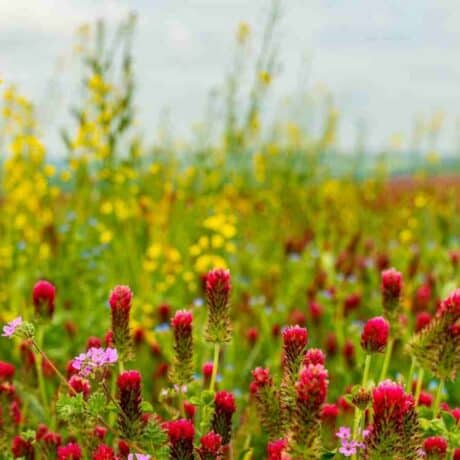
Both borage and echium are grown for high-value oils used in nutritional and pharmaceutical markets. These crops can offer attractive returns under contract and provide valuable flowering habitats for pollinators, although they often require careful management and specialist market access.
Ahiflower
Grown for its unique Omega-3 oil profile, Ahiflower is attracting increasing attention from UK growers. The crop can be established as either a winter or spring crop, has relatively modest input requirements and benefits from growing demand for plant-based nutrition products.
Camelina
Camelina, sometimes known as false flax, has gained interest as a versatile oilseed crop with applications ranging from animal feed and nutrition to biofuels and sustainable aviation fuel (SAF). Its relatively low input requirements, drought tolerance and ability to fit into existing arable systems have made it an attractive option for growers seeking alternative break crops. As demand for sustainable fuel sources continues to increase, camelina is expected to play an increasingly important role within specialist cropping systems.
Food and Health Crops
Changing consumer preferences are driving interest in crops that support healthy and sustainable food production.
Quinoa
Quinoa has seen significant growth in consumer demand due to it’s nutritional credentials and versatility within food products. While Quinoa remains relatively niche in UK agriculture, it represent emerging opportunities where suitable contracts and agronomic support are available.
Lupins
Lupins are gaining attention as a high-protein crop with applications in both animal feed and human food products. As interest in home-grown protein sources increases, lupins offer an opportunity to diversify rotations while potentially reducing reliance on imported protein feeds. As a legume, they can also contribute nitrogen-fixing benefits within the rotation.
Established Alternative Break Crops
Linseed
Linseed remains one of the most widely grown alternative break crops in the UK. Available as both winter and spring varieties, it offers relatively low input requirements, established end markets and useful rotational benefits, particularly where grassweed management is a priority.
Mustard
Mustard can serve both commercial and rotational purposes. In addition to food markets, certain mustard varieties are used within biofumigation systems, helping to suppress soil-borne pests and diseases. Fast establishment and relatively low input requirements can make it an attractive option where suitable market outlets exist.
Specialist Contract Crops
Poppies
Poppies provide access to highly specialised pharmaceutical markets and can deliver strong returns where contracts are available. However, successful production depends on careful crop management and close alignment with processor requirements.
Caraway
Caraway is a niche crop grown primarily for the food, flavouring and essential oils sectors. Although relatively uncommon within UK rotations, contract opportunities can provide access to premium markets. The crop can also offer useful rotational diversity where growers are willing to commit to specialist production requirements.
Seed Crops and Rotational Benefits
Ryegrass
Ryegrass continues to play an important role in many rotations, particularly where seed production markets are available. In addition to providing an income stream, grass seed crops can help improve soil structure, disrupt cereal disease cycles and support long-term rotational resilience.
Choosing the Right Crop
There is no single alternative crop that suits every farm. The most successful decisions are those based on soil type, market access, infrastructure, labour availability and the wider objectives of the business.
While specialist crops can offer attractive gross margins, their true value often lies in the broader benefits they bring to the rotation. Improved weed control, reduced pest pressure and greater market diversification can all contribute to long-term profitability.
At Ceres Rural, we work with growers to assess alternative crop opportunities as part of a wider agronomic and business strategy. By considering both the commercial and practical implications, we help identify crops that fit the farm, the rotation and the long-term objectives of the business.
If you are exploring alternative cropping options, our agronomy team would be pleased to discuss the opportunities and challenges in more detail.